EU Entry/Exit System
The European Union (EU) has introduced a new border immigration system, the ‘Entry/Exit System’ (EES), that will affect UK and all other non-EU passport holders when travelling to most European countries, including popular holiday destinations like Spain and Greece. Find out more below or visit our travel requirements page here to see individual country requirements. Just so you know, this is not the same as ETIAS – a type of online visa that's being introduced later in 2026.
There may be longer wait times than usual when you arrive in destination and before your flight back to the UK. We’re really sorry for any inconvenience this may cause but unfortunately this is outside of our control.
What is EES?
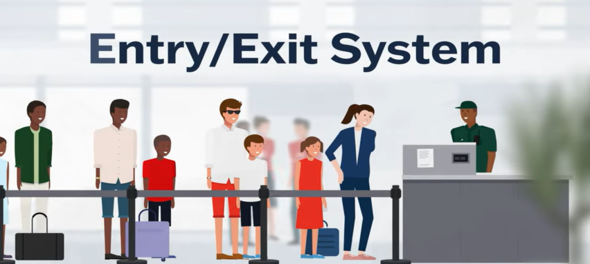
The EU Entry/Exit System (EES) is a system that registers all UK and other non-EU travellers each time they enter or exit the EU bloc and went live on the 12 October 2025. The system will replace the current manual stamping of passports on arrival into the EU and before your flight back to the UK, as your entry and exit dates will instead be logged electronically. Don’t forget – unless you have European residency or a suitable visa, you can only spend 90 days in any six-month period in the EU.

How will EES work?
Don't worry, you don't need to do anything before you travel and there's no cost involved. There may be longer wait times than usual when you arrive in destination and before your flight back to the UK. Unfortunately, this is outside of our control.
The first time you enter the EU, you’ll need to register for the EES at a self-service kiosk in the arrivals area of your destination airport, where you’ll also be asked to provide your biometric data (fingerprint and facial image), as well as other basic information. Once you’ve completed this step, you’ll be able to cross the border as normal via an electronic gate or manned booth. Please note, children under 12 won’t need to provide fingerprints. Once you’ve registered on your first visit, you’ll only need to scan your passport and provide either biometric data or a photograph to enter or exit the EU on your following visits for the next three years, or until your passport expires (whichever comes first).

When was this introduced?
EES was introduced on 12 October 2025.

Who does this apply to?
EES applies to all British passport holders, and any non-EU national entering the European Union, regardless of age.

How will this affect my trip?
All participating European countries had to fully introduce the Entry/Exit System in April 2026. How it works might be a little different depending on the airport, who are responsible for implementing the new system. The first time you visit a participating country after it’s launched, you’ll sign up when you arrive by giving your passport details and a quick biometric scan before heading through the border.
What questions will they ask us at the kiosks?
Questions may vary at each border, but general questions will be purpose of visit (business, tourism, etc.), around whether you have travel insurance, if you have sufficient funds for your holiday, and if you have a health certificate (covered by the NHS).
What will happen if I refuse to have my fingerprints scanned or photograph taken?
Registration for EES will be a requirement for all non-EU citizens and non-EU residents wishing to enter the Schengen Area, which includes places like Spain, Greece and other holiday destinations. Anyone who refuses to provide their biometric data will likely be denied entry and required to return to their country of departure or origin. If you're unable to provide a fingerprint scan, you may be exempt and should declare this on arrival.
How is my biometric data being stored in the EU?
The data stored in EES is protected and access to it is restricted to specific staff within national authorities. The EU will be using technology in a way that makes sure the data privacy rights of individuals are protected.
Will there be delays when crossing the border?
Am I a third‑country national? Which passport control queue should I use?
Will the Entry Exit System (EES) affect my journey back to the UK?
What if I have dual citizenship or I’m travelling with more than one passport?
If you have more than one passport, the passport you travel with must match the passport details on your booking. If you need to update your passport details, you can do so via Manage my Booking or by visiting our airport check-in desk before travel.
- British and Irish citizens must use a valid British or Irish passport when travelling to the UK. Depending on your specific circumstances and the passports you hold, rules for travel to other countries may vary and we suggest you check the travel requirements for your destination before you travel.
- Take all relevant passports with you when you travel.
- If you arrive at the airport with a different passport to the one on your booking, or fail to present a valid document for travel, you may be delayed or refused boarding.
Always check the latest UK Government / FCDO travel advice and passport guidance before you travel.
Is there an EES app where I can complete my registration?
There is an EES app available - however, it is currently only being used by a small number of EU countries. If an app is available from the country you're travelling to, its use is optional – there is currently no requirement for you to use it but it may speed up EES checks on arrival. You can find more information about the app, including which countries are using it, here.

*By submitting this form, you are agreeing to receive marketing emails from Jet2holidays. You can unsubscribe at any time. We process your data in accordance to our Privacy Policy

You can now access Shortlists through a myJet2 account. So, as well as being able to save, share and compare holidays, you'll also benefit from…
- Save and share shortlists
- Exclusive discounts
- Tailored holidays inspiration
Need an account? Create one here